
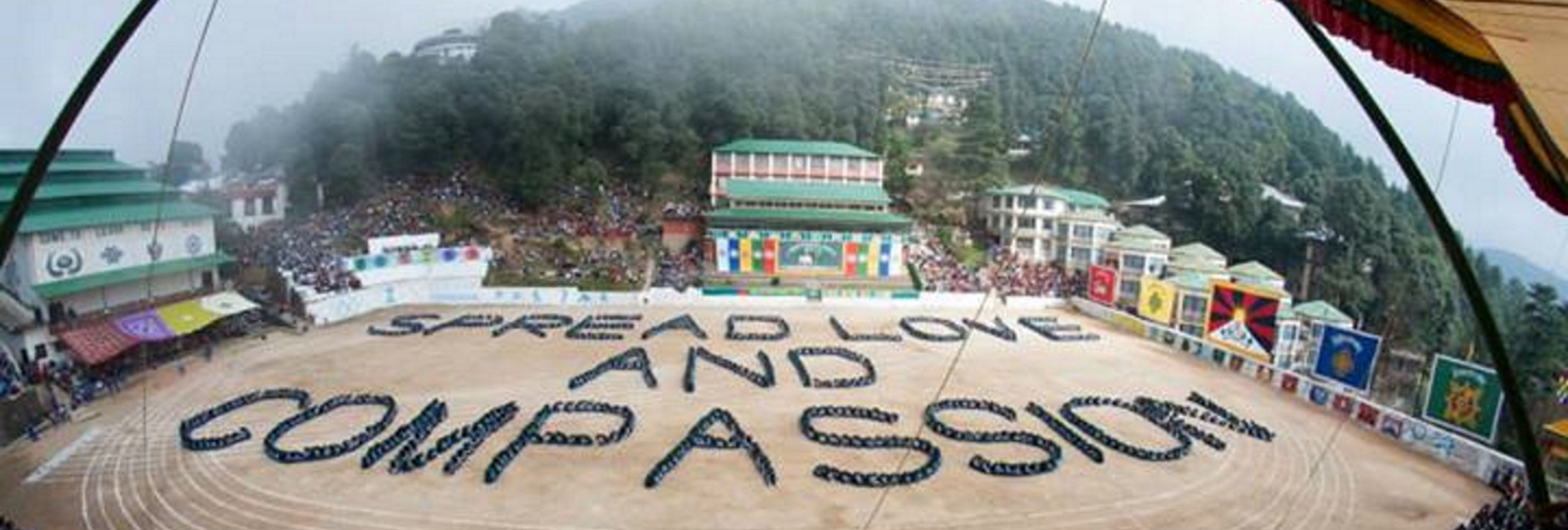
 Following the Chinese occupation of Tibet in 1950 and His Holiness the Dalai Lama’s flight to India, it was quickly apparent that one of the most critical needs of Tibetan refugees was finding a means to care for the many children who had been orphaned or separated from their families during the arduous escape from their homeland. His Holiness promptly recognised that the future of Tibet and its people depended upon the younger generation. With this in mind and out of concern for the miserable conditions under which so many children were suffering, His Holiness proposed that a centre for destitute children be established in Dharamsala.
On 17 May 1960, fifty-one children arrived from the road construction camps in Jammu, ill and malnourished. Mrs. Tsering Dolma Takla, the elder sister of His Holiness, volunteered to look after them. Initially these children were assigned to members of the Dalai Lama’s entourage, but before long the Government of India offered its assistance, renting Conium House to accommodate all the children together. At that time, the centre was under the name “Nursery for Tibetan Refugee Children.”
Originally, the Nursery for Tibetan Refugee Children provided only the basic care for children. When they reached the age of eight, they were sent to other residential schools established by the Government of India. But eventually this arrangement could not be continued, as all the residential schools became filled to capacity. This left the Nursery to find a solution to problem of overcrowding. Thanks to the foresight and courage of Mrs. Jetsun Pema, the then Director, it was decided that the Nursery had to grow and expand despite many apparent obstacles.
A massive reorganization plan was set into motion. This included seeking help from private donors and international aid organizations. A period of hectic construction work ensued to provide for more houses and classrooms for children. The Nursery slowly toook the shape of a small village with its own school and homes.This Children’s village is what we called today as the Upper TCV School at Dharamsala.
Numerical data as of December, 2022
Boarders: 1039
Dayscholars: 72
–
Staff (Regular): 143
Contract Staff: 51
Old People: 10
Total: 1186
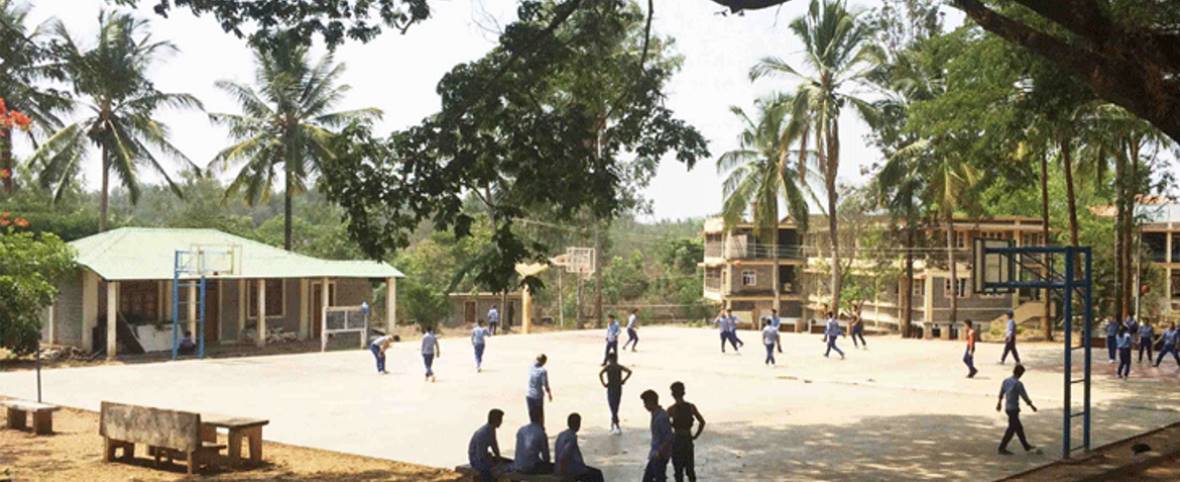 The largest concentration of Tibetan refugees is in South India, spread throughout five settlements. A growing population and increasing number of destitute families moving into the settlements from other places had put heavy demands for more schools, particularly day-care centres, that would take care of children while parents toil on farms.
The Tibetan Children’s Village at Bylakuppe was opened in 1981 on sixteen acres of land donated by the settlement. After a great deal of planning and work, an idyllic children’s village was created. Currently, the village has 29 homes, two hostels and complete facilities for education through class twelve. Beside this village, TCV runs ten day care centres for the benefit of the Tibetan settlers around the Bylakuppe and Hunsur areas. TCV’s commitment in the South India has solved many pressing needs of the people and has contributed a great deal towards the development of the community.
Numerical data as of December, 2022
Boarders: 777
Day scholar: 0
Staff (Regular): 95
Contract Staff: 18
Old People: 4
Total:
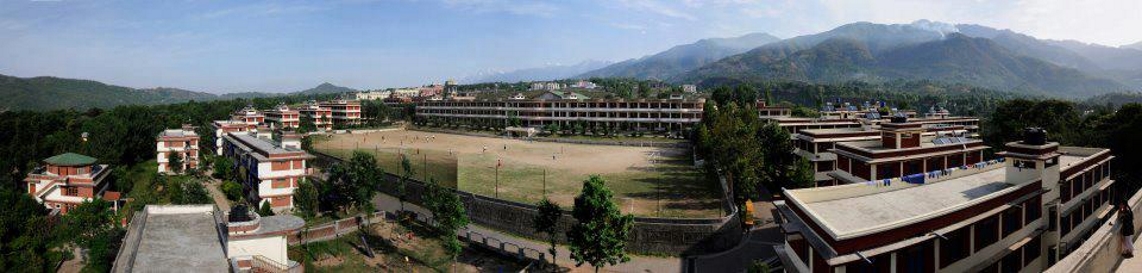 TCV Patlikuhl school in the Kulu Valley was started on a temporary basis by the Tibetans at the road work camps in the early 1970s. But because of its proximity to the River Beas, the school faced constant danger of flooding during the monsoon season. In 1995, it was completely flooded for days. Therefore, children and staff had to be temporarily evacuated on safer grounds, but there was already much damage to the school buildings and other properties.
Because of this constant danger, it was felt best to relocate and rebuild the school in some other place. With availability of 14.5 acres of land on purchase in the Tibetan settlement of Chauntra, plans were drawn up in 2001 for building of this new school. In the May of 2004 the children actually moved from Patlikuhl to the new school and the formal inauguration was held on 21st November 2004 by His Holiness the XIV Dalai Lama in the presence of some of the sponsors who contributed in the construction of the project.
Numerical data as of December, 2022
Boarders: 547
Day Scholar: 14
Staff (Regular): 59
Others: 14
Old People:
Total: 634
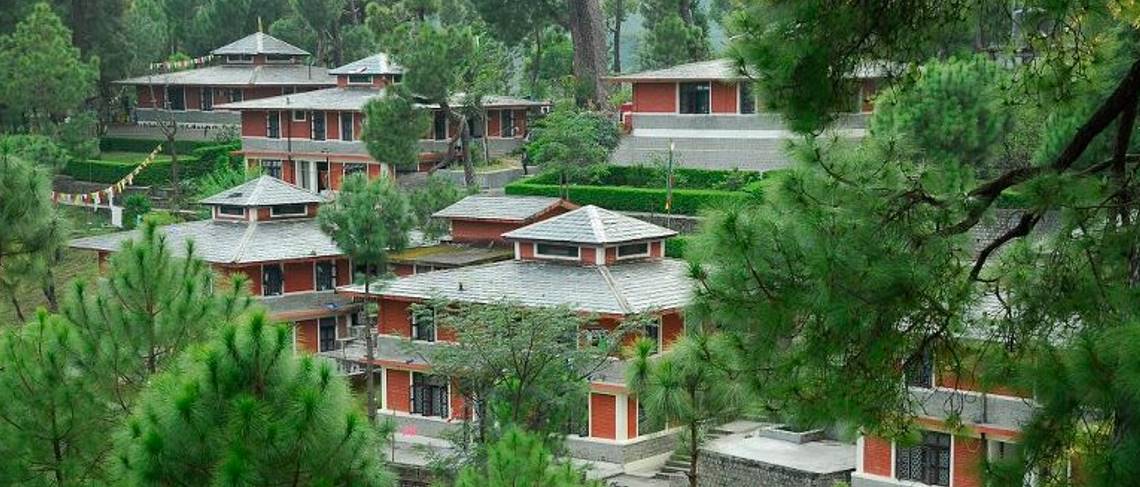 The intense overcrowding problem in all our villages and schools coupled with the constant arrival of children from Tibet necessitated a new village in the early 90’s for a long term solution. With the acceptance and support from SOS Kinderdorf International, construction work began on a war footing. The children for this village were housed temporarily at TCV (Bir). The number of children quickly increased and soon became quite unmanageable. Hence, makeshift, temporary accommodation and schooling had to be started early on even in the mist of its construction.
Thus, SOS Tibetan Children’s Village at Gopalpur formally became operational in 1997. Spread over a thirty-acre estate in lush green environment with a majestic mountain backdrop, it is now home for the many children coming across the border. Currently there are now 1271 children. it is a self-contained, children’s community with 32 homes ,a medical centre and the hostels for the boys and the girls. This project is funded by the schweizer freunde Der SOS-kinderdofer. While the attached school complex is built with funding support from Stiftelsen SOS-Barnebyer -Norge.
Numerical data as of December, 2022
Boarders: 731
Day Scholars: 10
Staff (Regular): 79
Others: 22
Old People: 1
Total: 820
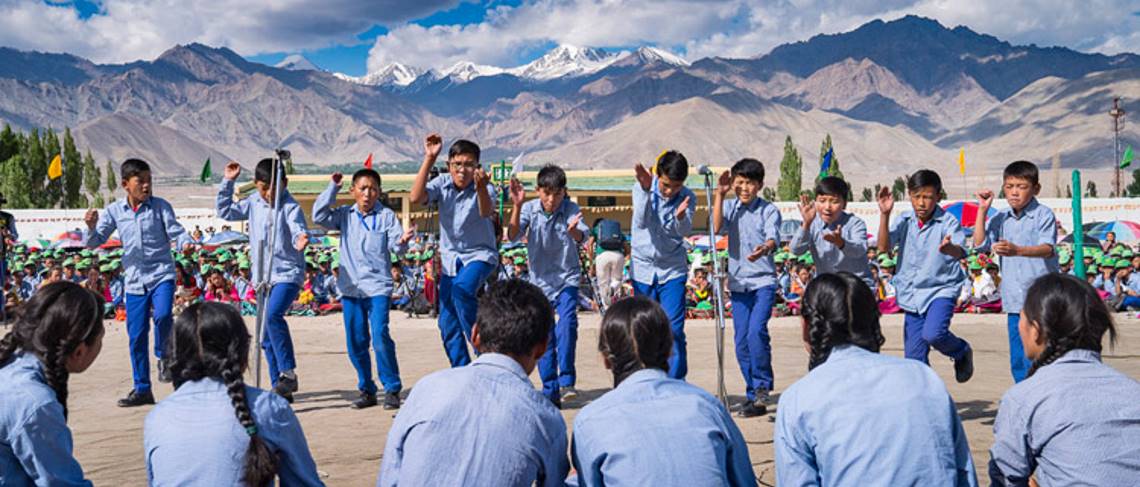 The Tibetan Settlement in Ladakh in the 70’s was the most remote and least developed of all the Tibetan communities in exile. Nomadic refugee camps were scattered all along this Indo-Tibet border region where communication and physical contacts were almost entirely cut off from the rest of Tibetans in India. His Holiness was deeply concerned about their future, particularly the fate of the children. In order to alleviate their poor condition, a plan was implemented to provide education and introduce sustainable development programmes in that region.
With initial seed money of Rs.10,000 from His Holiness The XIV Dalai Lama and land donated by the local Indian government, TCV set out to build a children’s village near Leh, Ladakh in 1975. Today TCV Ladakh is a thriving SOS Village with its own school and other facilities. The school includes classes from pre-school through grade ten, after which students can join other TCV branches for further education. Out of 24 children’s homes or Khimtsangs, seven are allotted to destitute Ladakhi children.
Besides the main SOS Village at Choglamsar, there are now seven schools, three in Jangthang and one handicraft cum vocational training centre, one agro-nomadic farm and one old people’s home. Nicknamed “oasis in the desert,” TCV Ladakh has become the pride of the region, serving both the Tibetan and Ladakhi communities in the best tradition of universal responsibility and care.
Numerical Data (December, 2022)
Boarders: 634
Day Scholars: 465
Staff : 136
Others: 13
Old People : 45
Total : 1235
Contract: 8
Dayscholar: 1
Contract: 2
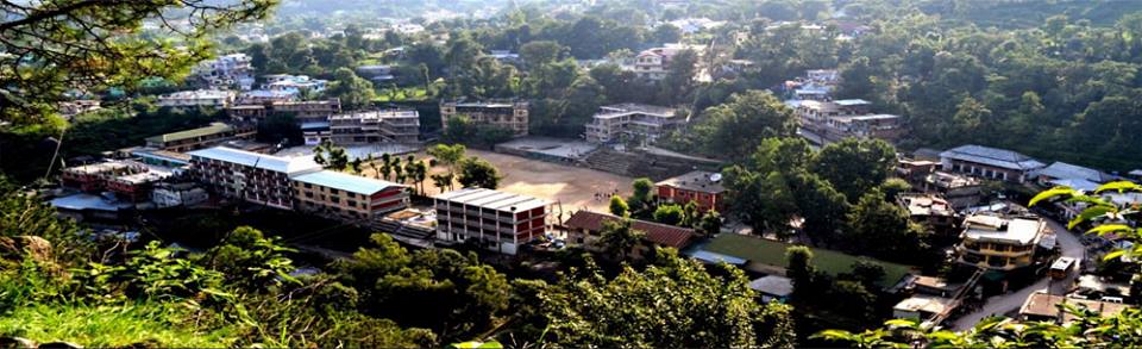 Lower TCV was established at a time when Upper Tibetan Children’s Village was undergoing its worst period of overcrowding. Because of the liberalisation policy adopted by the Chinese in response to the international condemnation of its human rights records, the 1980’s saw a mass escape of people from Tibet. A large section of them were children who needed instant care and rehabilitation. It was once again TCV which assumed the responsibility of looking after them. With initial seed money of one lakh rupees donated by the His Holiness and much of the remainder coming from Herman Gmeiner Fonds Deutschland, TCV carried out the construction of a new school at a poultry farm it owned.
The school was opened in 1984. Initially only 100 newcomer children from Tibet were housed there. Later as the situation changed and other TCV branches could absorb more children from Tibet, Lower TCV was completely turned into a residential school, with the aim of meeting the pressing needs for educational facilities for children of parents who could afford school fees. The school was expanded and upgraded with facilities through class ten. Today, Lower TCV has 632 children under its care. Over the years the school has developed into one of the best residential schools in exile solely financed by Tibetan parents.
Numerical Data (December, 2022)
Boarders : 109
Day Scholars : 0
Staff (Regular) : 21
Others : 0
Old People : 0
Total : 130
After having obtained the necessary approval from the State Authorities and forming a construction team, work started in August 2001. The school which has a capacity for 500 children is located in the vicinity of some of the best schools in India thereby have some apparent advantages.
As originally planned admission to this school is based selectively on merit and open to Tibetan students from different schools in exile. Mr. Duke Tsering, a former student of TCV, Dharamsala who was a senior teacher was appointed as its first Headmaster.
In early 2004, recruitment of necessary teachers and administrative co-workers was completed. After selection criteria and process of conducting special entrance tests were worked out, 198 students from class V-VII within TCV schools joined their new school on 1st July 2004. Beginning from class VI it has up to class VIII at present and the school will gradually be upgraded to Senior Secondary level.
Without the trust and continued support of our friends we would not have achieved this ambitious project of giving some of the academically gifted children this special opportunity.
Numerical Data (December, 2022)
Boarders : 411
Day Scholars : 0
Staff (Regular) : 36
Contract Staff : 19
Old People :
Total: 466
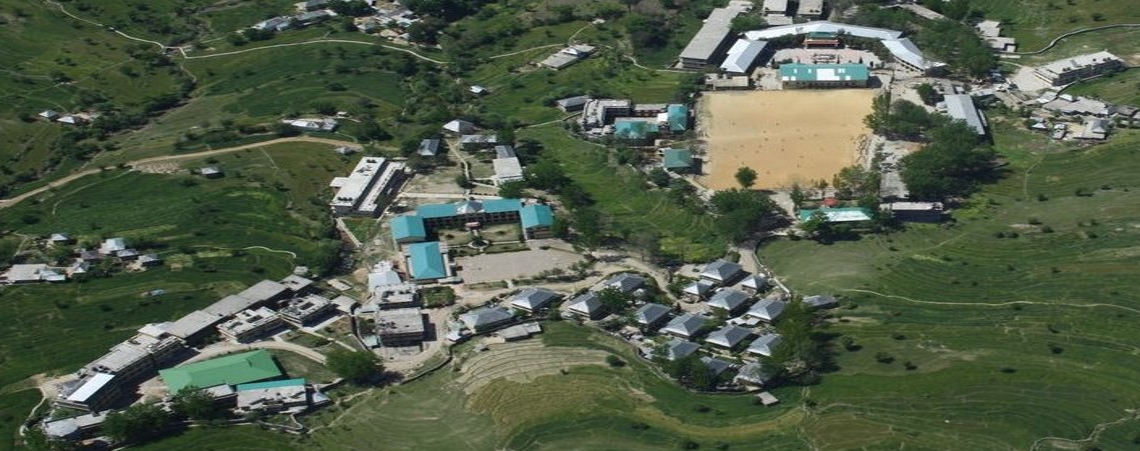 Following the Chinese limited liberalisation policy of the 1980s, Tibetans by the thousands crossed over to India to seek freedom from suppression and persecution. Among the escapees there was a sizable number of illiterate young adults who needed help in education as well as eventual integration into society. The Cabinet Secretariat of the Tibetan Administration (Kashag) founded an adult education school in 1986 at Bir – 75km from Dharamsala. It was named New Tibetan School, and there were 68 students who lived and studied in rental houses there.
Later in 1990, the Kashag entrusted the responsibility of running the school to TCV, as it had the required experience and capacity to do so. At the time of TCV’s takeover, there were already 322 young adults with many joining day by day. When the school was in its early development, there was neither proper curriculum, nor adequate infrastructure. For TCV, it was a moment of great challenge. Everything had to be reorganised and restructured in a systematic manner, keeping in mind the unique needs of adult newcomer students. New policy guidelines were worked out with the aim of standardising the education and opening other options and opportunities for further education and training. In spite of considerable struggles in the efforts to create a new kind of school within the TCV system, Bir school eventually came out a success.
The successful handling of the adult school at Bir led to another development in TCV’s continual efforts in combating the overcrowding problems. SOS Kinderdorf International agreed to fund the establishment of a completely new SOS Village at Bir. A plot of seven acres of land was bought around the TCV Bir School, and hectic construction of the Children’s Village was undertaken. A first batch of 27 children from Tibet arrived even when the Village was not formally opened. Temporary arrangements were made for them. As the major part of the construction was completed in 1994 and the required infrastructures created, a fresh batch of 303 children from Tibet joined the Village. Since the number of people escaping ruthless Chinese suppression increased, the number of helpless children coming to TCV virtually turned into a flood in 1995.
Presently, the village has twelve children’s homes with an average of 30 to 40 children living in each home or Khimtsang. Every effort is being made by the TCV administration to reduce the pressures of overcrowding. In the field of education, the Village has complete facilities for students through the primary level. After that, children will join other TCV branches.
Numerical Data (December, 2022)
Boarders : 550
Day Scholars : 1
Staff (Regular) : 75
Others :14
Old People :
Total: 640